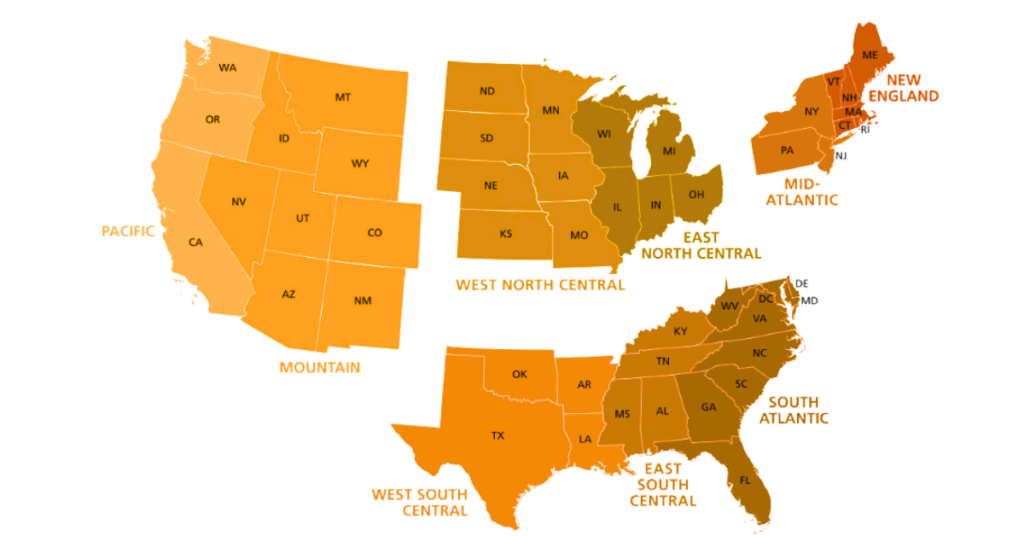

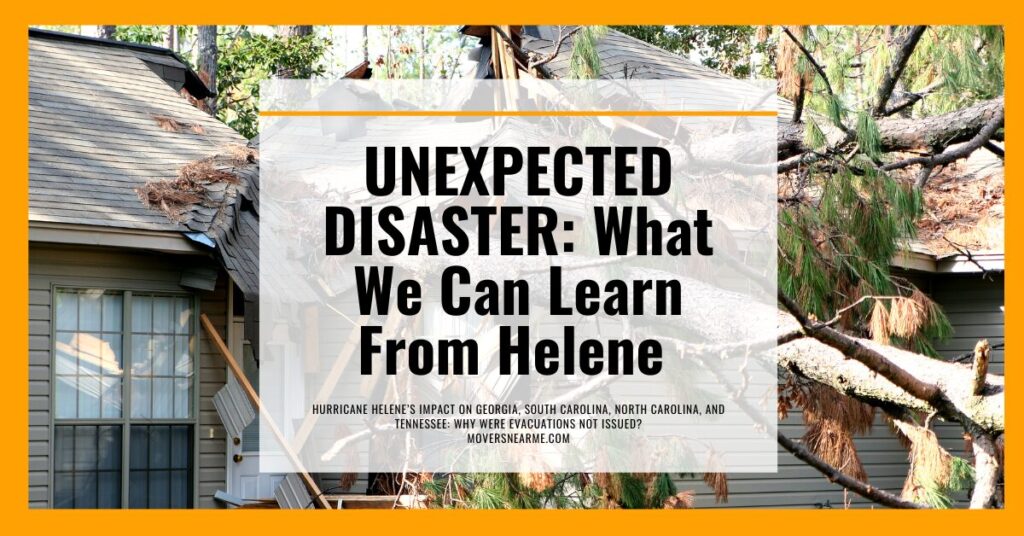
Hurricane Helene made waves in the Southeastern United States, affecting areas in Georgia, South Carolina, North Carolina, and Tennessee. Despite the severity of the storm, many were left questioning why evacuation orders were not issued in key regions. This article explores the reasons behind the lack of evacuation directives and focuses on how small towns like Greenville, SC; Asheville, NC; Black Rock, NC; and Lake Lure, NC were affected and what we can learn from Hurricane Helene.
- The Nature of Hurricane Helene
- Hurricane Helene’s Impact
- Impact on Towns in Georgia and Tennessee
- Why Residents Weren’t Told to Evacuate
- Staying Safe Even If You Don’t Live in a Disaster-Prone Area
- What is a Packout and How Does It Help?
- Public Adjusters and Packout Services
- What is a Packout and How Does It Help?
The Nature of Hurricane Helene
Hurricane Helene was a powerful storm system, forming off the Atlantic coast and threatening to wreak havoc as it moved inland. The storm hit various regions with heavy rains, strong winds, and flooding. Yet, unlike hurricanes such as Florence or Katrina, Helene did not lead to widespread evacuation orders, sparking confusion among residents who witnessed the storm’s impact firsthand.
Why No Evacuations?
The decision not to issue evacuation orders is largely rooted in the predictions made by meteorologists and state emergency agencies. Forecast models predicted that Helene’s intensity would decrease as it moved inland, particularly after making landfall. The storm weakened from a Category 3 hurricane to a tropical storm before it reached critical population centers in these states, leading authorities to believe it posed minimal risk compared to earlier predictions.
Moreover, many areas affected by Helene were inland, such as Greenville, SC, and Asheville, NC, which are generally less prone to the full force of hurricanes. Historically, these regions experience reduced wind speeds and less severe flooding compared to coastal areas. This geographic difference factored heavily into the decision not to order large-scale evacuations. Authorities chose instead to advise residents to take precautionary measures, such as staying indoors and securing their homes.
Hurricane Helene’s Impact
Biltmore Estate
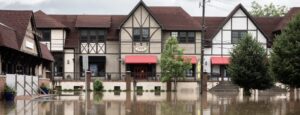
During Hurricane Helene, the historic Biltmore Estate in Asheville, North Carolina, faced significant flooding due to the heavy rainfall brought by the storm. The estate, known for its sprawling gardens, rolling hills, and iconic mansion, saw water levels rise in the nearby French Broad River, causing flooding in some lower-lying areas of the property. While the mansion itself remained untouched, the estate’s grounds, including parts of its gardens and walking paths, were submerged. Estate staff worked diligently to manage the situation, closing portions of the estate to ensure visitor safety and protect the property from further damage.
Greenville, South Carolina
Greenville is situated in the foothills of the Blue Ridge Mountains, which typically shields it from direct hurricane impact. However, Hurricane Helene caused significant damage in the form of flash floods and downed trees, affecting local infrastructure. Many residents expressed surprise at the intensity of the storm, given that no evacuation orders were issued.
Brevard, North Carolina
Nestled in Transylvania County, Brevard saw substantial rainfall and landslides as Helene passed through. Though the storm’s winds had decreased significantly by the time it reached Brevard, the flooding posed a considerable risk to homes near rivers and lakes. Lack of evacuation orders led many locals to question the preparedness of local authorities for such emergencies.
Black Rock, North Carolina
This smaller mountain town felt the brunt of Helene’s rains, resulting in minor landslides and power outages. Due to its elevated location, Black Rock didn’t experience significant flooding, but the storm caused issues with road access and utility services. The decision not to issue evacuation orders here aligns with the town’s general resistance to severe storm impacts, although the power outages left residents without critical resources.
Lake Lure, North Carolina
Lake Lure, a popular destination due to its picturesque views and lakefront homes, faced substantial challenges during Hurricane Helene. High water levels caused localized flooding in the low-lying areas surrounding the lake. Though authorities were vigilant about monitoring water levels, no formal evacuation was called. Residents were advised to monitor the situation but stay put unless water levels reached a critical point, in which Lake Lure Dam was in imminent danger of failing which did not happen but the entire town and that of Chimney Rock has been destroyed.
Impact on Towns in Georgia and Tennessee
Small Towns in Georgia
Towns like Clayton and Dahlonega in Georgia, nestled in the northern part of the state, experienced heavy rain and localized flooding. These areas, normally shielded from the brunt of hurricanes, still saw infrastructure damage such as blocked roads and minor landslides. The absence of evacuation orders was linked to Georgia’s preparedness in handling inland storm remnants, relying on local shelters and emergency services to mitigate damage.
Eastern Tennessee
In Tennessee, areas like Gatlinburg and Pigeon Forge saw minor storm impacts, including downed trees and power outages. While Helene’s winds weakened by the time it reached Tennessee, the storm’s rain bands caused rivers and creeks to rise rapidly. Emergency management in Tennessee chose not to issue evacuations due to the dispersed and weakened nature of the storm in the region, focusing instead on emergency response for fallen trees and flooded roads.
Why Residents Weren’t Told to Evacuate
The Challenge of Predicting Inland Impact
Predicting hurricane impacts on inland areas is inherently difficult. While coastal regions tend to bear the brunt of a hurricane’s power, inland towns like Brevard or Greenville experience weaker storms as hurricanes lose energy over land. This variability in storm behavior makes it harder to decide when evacuation orders should be issued. In the case of Helene, meteorologists believed the inland regions would experience much less intense weather compared to coastal areas, leading to a decision to avoid mass evacuations.
Additionally, residents in many of these small towns are not accustomed to hurricanes and may not have developed a strong emergency response culture. This, coupled with an assumption that Helene would weaken significantly, contributed to the decision-making process.
Staying Safe Even If You Don’t Live in a Disaster-Prone Area
Even if you don’t live in a coastal or high-risk area, natural disasters can still pose significant threats. It’s crucial to have a preparedness plan for events like hurricanes, storms, or even unexpected disasters like wildfires.
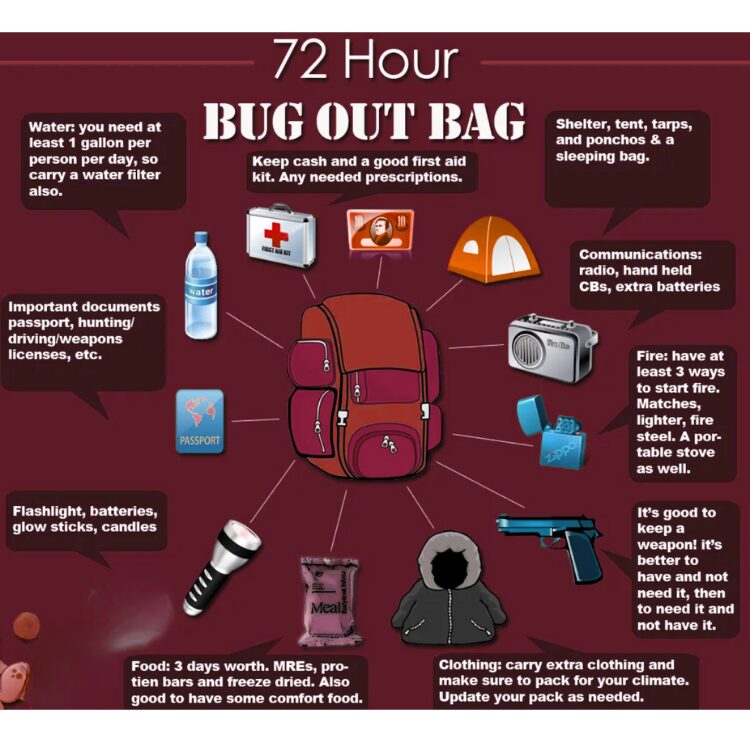
Preparedness Tips:
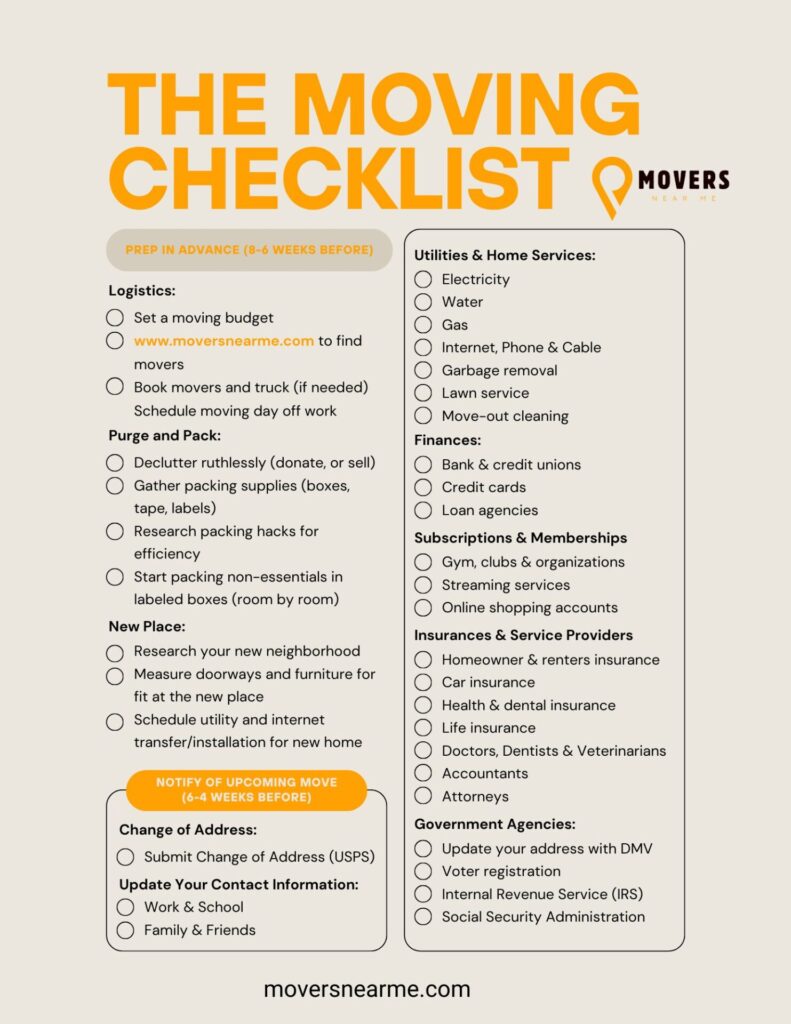
- Create an Emergency Kit: Your emergency kit should include essential items such as water, non-perishable food, a first-aid kit, flashlight, batteries, and important documents (like IDs and insurance information).
- Secure Your Home: Even if evacuation orders aren’t issued, securing your home is essential. This can include boarding windows, clearing gutters, and moving outdoor furniture inside to prevent damage.
- Stay Informed: Use local news outlets and emergency management resources to stay updated on potential risks. Even in low-risk areas, staying informed can save lives.
- Know Evacuation Routes: Even if authorities don’t issue evacuations, knowing your nearest routes and shelters will prepare you for unexpected developments.
- Create A Bug Out Bag: Bug out bags give you all of the resources you need to survive for up to 72 hours if your access to power, food, and other necessities is cut off. This may be a circumstance that is hard to imagine, but there are plenty of crisis situations that can leave you without the ability to meet your basic needs.
What is a Packout and How Does It Help?
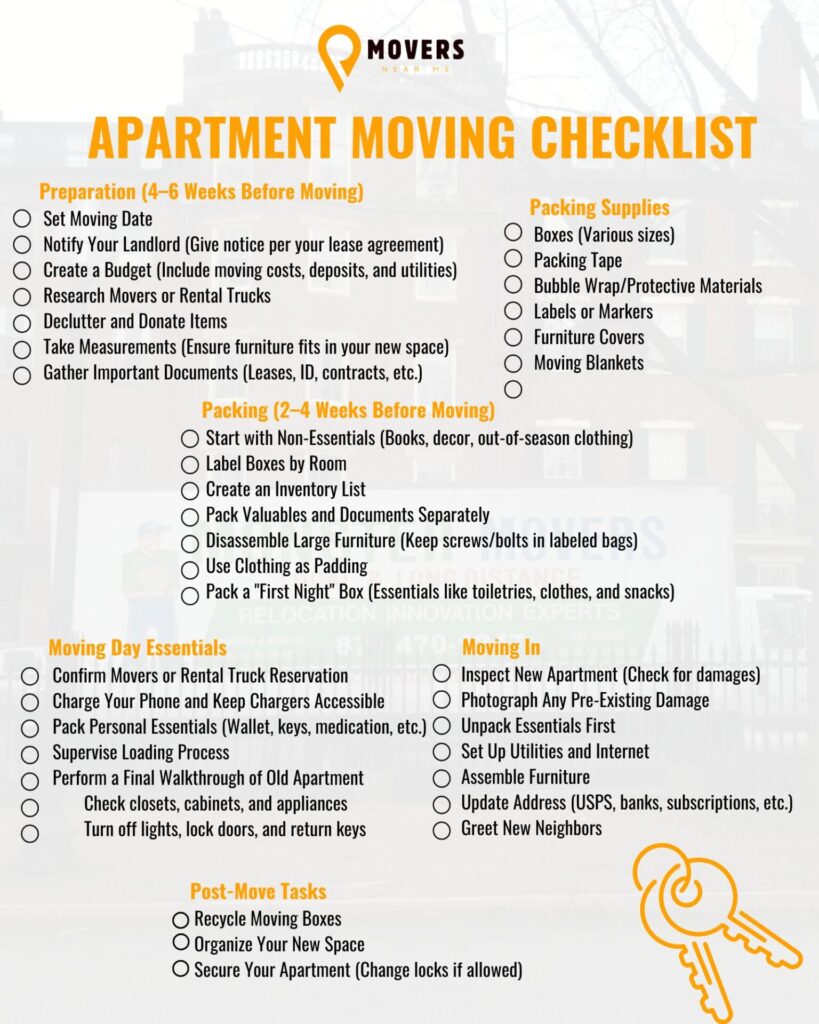
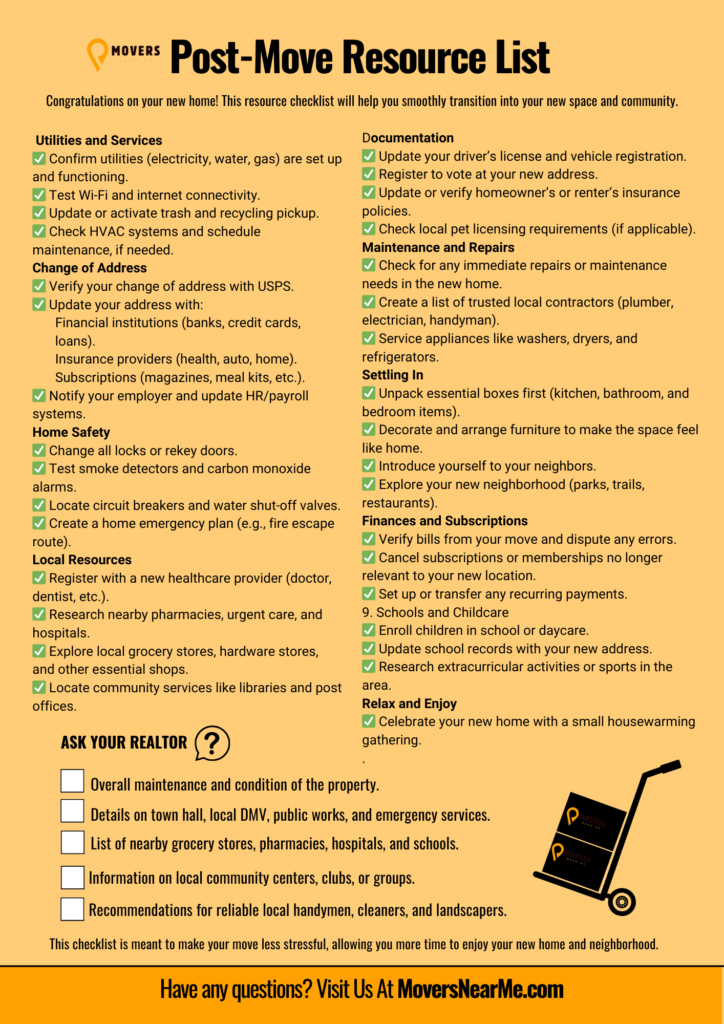
In the aftermath of natural disasters like Hurricane Helene, homes can be damaged by floods, winds, or debris. In these cases, you may need to temporarily remove belongings to ensure their safety or for cleanup efforts. This process is known as a packout.
What Happens During a Packout?
A packout involves professional movers carefully packing and transporting your belongings to a secure facility. The contents of your home are cataloged, packed, and stored while restoration or repairs take place. Once your home is safe to return to, the items are delivered back to you.
Public Adjusters and Packout Services
If your home has sustained damage, you may need the help of a public adjuster. These professionals work on your behalf to evaluate the extent of damage and ensure you receive the insurance compensation you deserve. Working with a public adjuster can streamline the process and ensure that your insurance claim covers the cost of repairs.
How to Contact a Public Adjuster
Contacting a public adjuster is relatively simple. Look for licensed professionals in your area or ask your insurance company for recommendations. Public adjusters will assess the damage, file claims on your behalf, and negotiate with your insurance company to ensure you receive the appropriate settlement.
What is a Packout and How Does It Help?
In the aftermath of natural disasters like Hurricane Helene, homes can be damaged by floods, winds, or debris. In these cases, you may need to temporarily remove belongings to ensure their safety or for cleanup efforts. This process is known as a packout.
What Happens During a Packout?
A packout involves professional movers carefully packing and transporting your belongings to a secure facility. The contents of your home are cataloged, packed, and stored while restoration or repairs take place. Once your home is safe to return to, the items are delivered back to you.
Packout Services from Movers Near Me
Movers Near Me offers specialized packout services to assist in times of disaster. Our team of trained professionals can handle your belongings with care, ensuring they are safely packed, transported, and stored during repairs. We also work closely with restoration companies and insurance adjusters to provide seamless coordination.
To schedule a packout or inquire about our services, contact Movers Near Me through our website or by phone. We’re here to help you recover from the unexpected.
Hurricane Helene serves as a reminder that even regions not typically prone to hurricanes can face serious risks. While evacuation orders were not issued for many small towns, the storm still caused significant damage. It’s essential to stay prepared for natural disasters, regardless of where you live. Understanding services like packouts and the role of public adjusters can help you recover more quickly after the storm passes.