
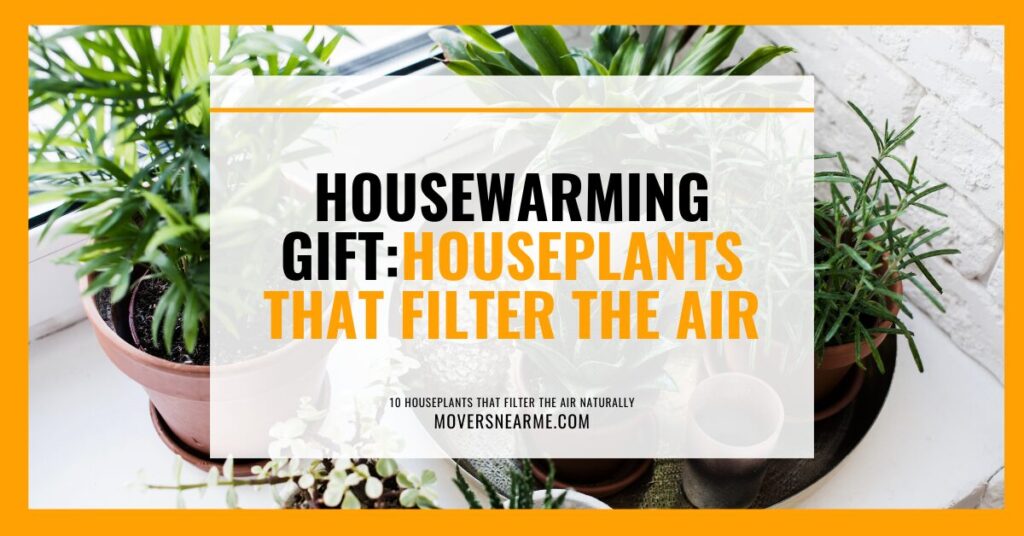
The Ultimate Guide to Indoor Houseplants That Filter Air
Did you know that some indoor houseplants not only beautify your space but also purify the air you breathe? If you are looking for a housewarming gift that shows you care, these hardworking plants filter out harmful toxins, improve air quality, and create a healthier living environment. Whether you’re a seasoned plant parent or just starting, this guide will introduce you to some of the best air-filtering houseplants, their benefits, care requirements, and tips on how to keep them thriving with proper fertilization.
How Houseplants Filter Air
Many indoor plants have the natural ability to filter harmful chemicals like benzene, formaldehyde, trichloroethylene, and more from the air. This is done through a process called phytoremediation, where plants absorb toxic compounds through their leaves and roots, breaking them down into harmless substances. By introducing these plants into your home, you’ll enjoy cleaner air and a more vibrant living space. So, after your move is complete and the movers have gone, show you care by gifting one of these plants
Top Indoor Houseplants That Filter Air
1. Snake Plant (Sansevieria trifasciata)
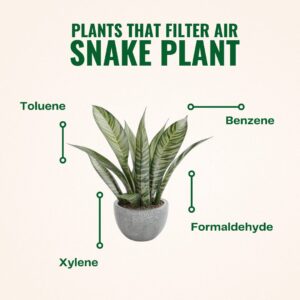
The snake plant, also known as “mother-in-law’s tongue,” is one of the most popular air-purifying plants.
What It Filters:
- Benzene
- Formaldehyde
- Xylene
- Toluene
Size:
- Grows between 2 to 4 feet tall, making it perfect for small spaces.
Care:
- Light: Thrives in low to bright indirect light.
- Watering: Water once every 2-4 weeks, allowing the soil to dry out completely between waterings.
- Fertilization: Use a balanced, general-purpose houseplant fertilizer once a month during spring and summer.
2. Spider Plant (Chlorophytum comosum)
The spider plant is easy to care for and produces charming, arching green and white striped leaves.
What It Filters:
- Formaldehyde
- Xylene
- Carbon monoxide
Size:
- Grows up to 1 to 2 feet tall and wide, with hanging “spiderettes” that can be propagated into new plants.
Care:
- Light: Prefers bright, indirect light but can tolerate lower light.
- Watering: Keep the soil lightly moist, watering once a week.
- Fertilization: Apply a liquid fertilizer every 2-4 weeks during the growing season (spring and summer).
3. Peace Lily (Spathiphyllum)
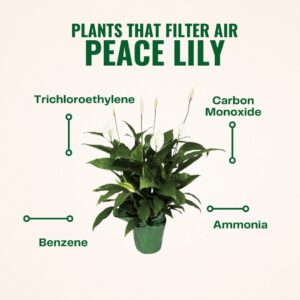
Peace lilies are known for their beautiful white blooms and impressive air-purifying abilities.
What It Filters:
- Ammonia
- Benzene
- Formaldehyde
- Trichloroethylene
Size:
- Grows 1 to 4 feet tall, depending on the variety.
Care:
- Light: Prefers low to medium indirect light.
- Watering: Keep the soil consistently moist but not soggy. Water about once a week.
- Fertilization: Use a balanced fertilizer every 6 weeks during spring and summer.
4. Aloe Vera (Aloe barbadensis miller)
Aloe Vera is famous for its healing gel, but it also works hard to purify the air.
What It Filters:
- Formaldehyde
- Benzene
Size:
- Grows up to 1 to 2 feet tall, with thick fleshy leaves that spread outwards.
Care:
- Light: Prefers bright, direct sunlight.
- Watering: Water every 3 weeks, allowing the soil to dry out completely between watering.
- Fertilization: Use a cactus or succulent fertilizer every 6 weeks during the growing season (spring and summer).
5. Boston Fern (Nephrolepis exaltata)
Boston ferns are lush, elegant plants that excel at removing toxins from the air.
What It Filters:
- Formaldehyde
- Xylene
Size:
- Grows 1 to 3 feet tall with a spread of up to 3 feet, perfect for hanging baskets.
Care:
- Light: Prefers bright, indirect light.
- Watering: Keep the soil evenly moist, watering 2-3 times a week, especially during warmer months.
- Fertilization: Fertilize every month during spring and summer with a balanced, water-soluble fertilizer.
6. Rubber Plant (Ficus elastica)
Rubber plants are known for their broad, glossy leaves and air-purifying properties.
What It Filters:
- Formaldehyde
Size:
- Grows 4 to 10 feet tall, depending on how you prune it.
Care:
- Light: Prefers bright, indirect light.
- Watering: Water once every 1-2 weeks, allowing the top inch of soil to dry out between watering.
- Fertilization: Use a balanced fertilizer every 4-6 weeks during the growing season.
7. Dracaena (Dracaena marginata)
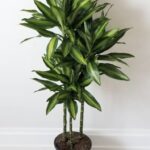
With its striking, sword-like leaves, the dracaena is both stylish and functional when it comes to purifying the air.
What It Filters:
- Benzene
- Formaldehyde
- Xylene
- Toluene
Size:
- Grows between 4 to 6 feet tall, making it a great statement plant.
Care:
- Light: Prefers bright, indirect light but can tolerate lower light.
- Watering: Water once every 1-2 weeks, allowing the top inch of soil to dry out.
- Fertilization: Feed with a liquid fertilizer every 4 weeks during spring and summer.
8. Chinese Evergreen (Aglaonema)
The Chinese evergreen is not only known for its stunning, variegated leaves but also for its hardiness.
What It Filters:
- Formaldehyde
- Benzene
Size:
- Grows 1 to 3 feet tall.
Care:
- Light: Prefers low to medium indirect light.
- Watering: Water every 1-2 weeks, letting the soil dry out between watering.
- Fertilization: Use a balanced, water-soluble fertilizer every 6-8 weeks.
Care and Fertilization Tips for Air-Purifying Plants
Keeping your air-filtering houseplants healthy involves more than just occasional watering. Here’s a breakdown of how to properly care for and fertilize these plants to ensure they continue to thrive and purify your air.
1. Watering Basics
Each plant has its own watering needs, ranging from weekly waterings to every few weeks. The key is to avoid overwatering, which can lead to root rot. Always check the soil moisture before watering, and ensure the pots have proper drainage.
2. Light Requirements
Most air-purifying plants thrive in bright, indirect light, though some can tolerate lower light conditions. Always place your plants in spots where they get adequate sunlight without direct exposure, which can burn their leaves.
3. Fertilization Schedule
Regular fertilization is important for plant growth, especially during the growing season (spring and summer). Here’s a quick summary of how often to fertilize each plant:
- Snake Plant: Once a month with general-purpose fertilizer.
- Spider Plant: Every 2-4 weeks with liquid fertilizer.
- Peace Lily: Every 6 weeks with a balanced fertilizer.
- Aloe Vera: Every 6 weeks with a cactus/succulent fertilizer.
- Boston Fern: Monthly with water-soluble fertilizer.
- Rubber Plant: Every 4-6 weeks with balanced fertilizer.
- Dracaena: Every 4 weeks with liquid fertilizer.
- Chinese Evergreen: Every 6-8 weeks with water-soluble fertilizer.
Clean Air, Happy Plants
Adding air-purifying houseplants to your home not only enhances your indoor environment aesthetically but also helps filter out harmful toxins. By choosing the right plants for your space and caring for them properly, you can enjoy the benefits of cleaner air and beautiful greenery.
Whether you’re a novice plant parent or an experienced gardener, the key to success is understanding each plant’s unique needs. With the right amount of light, water, and fertilization, your air-filtering houseplants will thrive, leaving you with fresh, purified air and a healthy home. 🌿
Movers Near Me is your trusted moving resource leader. We provide helpful moving and relocation tips, moving checklists and guide consumers to a a stress free relocation.