
Over the past few years, over 20 million Americans have moved every year. With the majority staying in their local area, over 10% of these people relocate to a new area entirely. Where are people moving to? Since 2000, some state populations have exploded while others have stalled. Let’s explore the top cities people are people are moving to in 2024. This information has been gathered from various sources. We have also included expected fastest growing cities for 2025 based on interest algorithms. Explore the fastest growing US cities below.
Table of Contents
- Fastest Growing Cities 2024
-
- 20. Myrtle Beach, South Carolina
- 19. Ocala, Florida
- 18. Raleigh-Cary, North Carolina
- 17. Port St. Lucie, Florida
- 16. Nashville, Tennessee
- 15. Orlando, Florida
- 14. Deltona-Daytona Beach-Ormond Beach, Florida
- 13. Atlanta, Georgia
- 12. Phoenix-Mesa-Chandler, Arizona
- 11. Sarasota, Florida
- 10. Fort Worth, Texas
- 9. Austin-Round Rock-San Marcos, Texas
- 8. Lakeland, Florida
- 7. Jacksonville, Florida
- 6. Charlotte, North Carolina
- 5. San Antonio, Texas
- 4. Tampa, Florida
- 3. Greenville, South Carolina
- 2. Houston-Pasadena-The Woodlands, Texas
- 1. Dallas-Fort Worth-Arlington, Texas
- Fastest Growing Cities In The US 2025 [Expected]
-
Fastest Growing Cities 2024
The fastest growing cities in the US is the metro Dallas area but these other cities are experiencing many people moving in and many are smaller cities where net population has a bigger impact on local economics. Let’s look at fastest growing American cities in depth.
20. Myrtle Beach, South Carolina
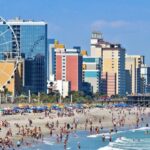
Net Domestic Migration: 15,061
Myrtle Beach-Conway-North Myrtle Beach continues to attract new residents, with a net positive domestic migration of 15,061. The area’s coastal charm and lifestyle appeal contribute to its steady growth.
Expected Future Growth
Myrtle Beach is anticipated to see continued growth due to its popularity as a retirement and vacation destination, coupled with ongoing development in residential and commercial sectors.
19. Ocala, Florida

Net Domestic Migration: 15,167
Ocala is a favored destination among those relocating, with a net domestic migration of 15,167. The city is known for its equestrian culture and affordable living.
Expected Future Growth
Ocala is expected to grow further as more people seek a quieter, suburban lifestyle within reach of major Florida cities.
18. Raleigh-Cary, North Carolina
Net Domestic Migration: 15,533
Raleigh-Cary is a rapidly growing metro, drawing in 15,533 new residents through domestic migration. The area’s tech-driven economy and high quality of life are key factors in its appeal.
Expected Future Growth
Raleigh-Cary is poised for continued expansion, driven by the tech sector, educational institutions, and an influx of young professionals.
17. Port St. Lucie, Florida
Net Domestic Migration: 15,849
Port St. Lucie, with its warm climate and relaxed atmosphere, attracted 15,849 new residents, making it one of the top cities for domestic migration.
Expected Future Growth
Port St. Lucie is expected to continue its growth trajectory as it develops into a more vibrant community with increasing infrastructure and job opportunities.
16. Nashville, Tennessee
Net Domestic Migration: 17,324
Nashville-Davidson–Murfreesboro–Franklin has seen a significant influx of new residents, with a net domestic migration of 17,324. The metro area is known for its music scene and booming economy.
Expected Future Growth
Nashville’s future growth is expected to remain strong, supported by its cultural appeal, job market, and ongoing urban development.
15. Orlando, Florida
Net Domestic Migration: 17,451
Orlando-Kissimmee-Sanford continues to attract a large number of new residents, with a net domestic migration of 17,451. The area is known for its tourism industry and diverse economy.
Expected Future Growth
Orlando’s growth is expected to continue, driven by its strong tourism sector, new housing developments, and an expanding job market.
14. Deltona-Daytona Beach-Ormond Beach, Florida
Net Domestic Migration: 17,570
Deltona-Daytona Beach-Ormond Beach has recorded a significant net domestic migration of 17,570, highlighting its appeal as a coastal living destination.
Expected Future Growth
This area is likely to see sustained growth as more people seek affordable living near Florida’s beaches, coupled with the ongoing development of infrastructure and amenities.
13. Atlanta, Georgia
Net Domestic Migration: 18,386
Atlanta-Sandy Springs-Roswell has been a major draw for movers, with 18,386 new residents. The area’s diverse economy and cultural scene make it a popular choice.
Expected Future Growth
Atlanta’s growth is projected to continue, fueled by its role as a business hub, ongoing urbanization, and expansion of transportation networks.
12. Phoenix-Mesa-Chandler, Arizona

Net Domestic Migration: 19,642
Phoenix-Mesa-Chandler continues to grow, with a net domestic migration of 19,642. The area’s warm climate and booming real estate market attract many new residents.
Expected Future Growth
The Phoenix metro area is expected to experience strong future growth, driven by its expanding tech industry, affordable housing, and increasing population of retirees.
11. Sarasota, Florida
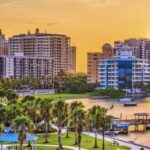
Net Domestic Migration: 19,826
North Port-Bradenton-Sarasota remains a popular destination with a net domestic migration of 19,826. The area’s beautiful coastline and recreational opportunities contribute to its appeal.
Expected Future Growth
Future growth in this region is likely to be driven by continued interest from retirees, ongoing development of housing communities, and the expansion of healthcare services.
10. Fort Worth, Texas
Net Domestic Migration: 21,913
Fort Worth-Arlington-Grapevine has seen a significant influx of new residents, with a net domestic migration of 21,913. The area’s economy and lifestyle offerings attract many movers.
Expected Future Growth
This metro area is expected to continue growing as it benefits from the broader economic expansion of the Dallas-Fort Worth region and its appeal to young professionals.
9. Austin-Round Rock-San Marcos, Texas

Net Domestic Migration: 22,339
Austin-Round Rock-San Marcos has been a key destination for movers, recording a net domestic migration of 22,339. The area is renowned for its tech industry and cultural vibrancy.
Expected Future Growth
Austin’s growth is projected to remain robust, driven by its strong job market, especially in the tech sector, and its reputation as a center for innovation and creativity.
8. Lakeland, Florida
Net Domestic Migration: 26,029
Lakeland-Winter Haven continues to attract new residents, with a net domestic migration of 26,029. The area’s affordability and proximity to major Florida cities are major draws.
Expected Future Growth
Future growth in Lakeland-Winter Haven is expected to be strong, supported by ongoing residential development and the area’s strategic location between Tampa and Orlando.
7. Jacksonville, Florida
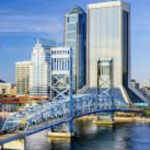
Net Domestic Migration: 27,464
Jacksonville remains a top destination for movers, with a net domestic migration of 27,464. The city’s growing economy and coastal lifestyle are key attractions.
Expected Future Growth
Jacksonville’s growth is expected to continue, driven by its expanding port, increasing job opportunities, and growing appeal as a family-friendly city.
6. Charlotte, North Carolina
Net Domestic Migration: 29,403
Charlotte-Concord-Gastonia has experienced significant growth, with a net domestic migration of 29,403. The area’s strong job market and vibrant urban life attract many newcomers.
Expected Future Growth
Charlotte’s future growth is anticipated to remain strong, supported by its financial industry, ongoing urban development, and appeal to young professionals.
5. San Antonio, Texas
Net Domestic Migration: 30,379
San Antonio-New Braunfels has drawn in many new residents, with a net domestic migration of 30,379. The area’s rich cultural history and affordable living make it a popular choice.
Expected Future Growth
San Antonio is expected to continue growing, bolstered by its affordable housing market, military presence, and expanding healthcare sector.
4. Tampa, Florida
Total Domestic Migration: 34,137
Tampa continues to be a popular destination, with total domestic migration of 34,137. The city’s vibrant lifestyle and job opportunities are major attractions.
Expected Future Growth
Tampa’s growth is projected to remain strong, supported by its booming real estate market, expanding tech sector, and increasing appeal to young professionals and retirees alike.
3. Greenville, South Carolina

Total Domestic Migration: 35,544
Greenville is the largest county in South Carolina and is considered the anchor city of the Upstate, the largest statistical area in the state. Greenville is known for its affordable housing and access to medical care makes it a great spot for retirees.
Expected Future Growth
Dallas-Plano-Irving is expected to see continued growth, driven by its role as a business hub, ongoing urban development, and expanding transportation infrastructure.
2. Houston-Pasadena-The Woodlands, Texas
Total Domestic Migration: 39,644
Houston-Pasadena-The Woodlands remains one of the top destinations, with total domestic migration of 39,644. The area’s strong energy sector and cultural diversity are key draws.
Expected Future Growth
Houston’s future growth is anticipated to be robust, supported by its large job market, expanding industries, and ongoing urban development.
1. Dallas-Fort Worth-Arlington, Texas
Total Domestic Migration: 60,457
Dallas-Fort Worth-Arlington tops the list, with total domestic migration of 60,457. The metro area’s booming economy and diverse lifestyle options make it the most popular destination.
Expected Future Growth
Dallas-Fort Worth-Arlington is expected to continue its strong growth, driven by its expanding industries, increasing population, and ongoing infrastructure development.
Fastest Growing Cities In The US 2025 [Expected]
Here are 5 cities that we expect will enter this list in 2025 as the amount of families moving here is gaining momentum
Boise, Idaho
Expected Growth in 2025: Significant
Boise has been experiencing rapid growth, driven by its affordability, outdoor lifestyle, and burgeoning tech industry. The city continues to attract new residents seeking a high quality of life.
Expected Future Growth
Boise is anticipated to see continued growth in 2025, with the tech sector expanding and more people relocating from higher-cost areas. The city’s vibrant arts scene and outdoor recreation opportunities also contribute to its appeal.
Greenville, South Carolina
Expected Growth in 2025: High
Greenville has been on the rise, with its growing manufacturing sector and revitalized downtown attracting both businesses and residents. The city’s mix of Southern charm and economic opportunity makes it a desirable location.
Expected Future Growth
Greenville is expected to grow further in 2025 as more companies move into the area and the city’s reputation for a high quality of life spreads. Continued investment in infrastructure and housing will support this growth.
Colorado Springs, Colorado
Expected Growth in 2025: Strong
Colorado Springs has seen increasing interest due to its beautiful scenery, outdoor activities, and expanding job market, particularly in defense and tech industries.
Expected Future Growth
The city is expected to continue growing in 2025, with ongoing residential developments and the appeal of its scenic mountain location. The tech industry, coupled with the presence of military bases, will drive future growth.
Huntsville, Alabama
Expected Growth in 2025: Rapid
Huntsville has emerged as a key tech and aerospace hub, attracting new residents with its job opportunities, affordable living, and educational institutions.
Expected Future Growth
Huntsville is projected to grow rapidly in 2025, driven by the continued expansion of its aerospace industry and the arrival of new tech companies. The city’s strategic investments in infrastructure and education will further support its growth.
Knoxville, Tennessee
Expected Growth in 2025: Moderate to High
Knoxville is gaining attention for its affordable housing, strong job market, and proximity to the Great Smoky Mountains. The city’s appeal to both young professionals and retirees has been growing.
Expected Future Growth
Knoxville is expected to see moderate to high growth in 2025, with increasing interest from people looking for a blend of urban and outdoor lifestyles. Continued economic development and investments in downtown revitalization will also contribute to its growth.