
Over the past few years, moving trends have shifted significantly due to factors such as the pandemic, remote work, and lifestyle changes. In the years 2020-2023, millions of Americans relocated either locally or across the country. Understanding which states are experiencing higher moving rates provides insight into broader demographic shifts in the United States. Below, we explore the moving trends across all 50 states, discuss which states saw the highest percentages of movers, and analyze what these trends mean for the future.
Topics
- National Moving Trends: 2020-2023
- States with the Highest Percentage of Movers
- States with Lower Moving Rates
- Mid-Tier Moving Rates: Balanced Inflow and Outflow
- What These Moving Trends Mean for the Future
National Moving Trends: 2020-2023
During the pandemic, moving patterns in the U.S. changed dramatically. Remote work allowed individuals and families to leave expensive metropolitan areas and relocate to more affordable regions, while others sought lifestyle changes in quieter suburban or rural settings. Many states with lower costs of living and favorable climates experienced an influx of movers, while traditionally high-cost states saw higher outbound migration.
Key Factors Influencing Moving Trends:
- Remote Work Flexibility: The ability to work from anywhere led many people to move to locations with lower housing costs or a higher quality of life.
- Economic and Lifestyle Shifts: Changes in personal circumstances, such as job loss or the desire for more space, fueled relocations.
- Retirement Relocation: Retirees continued to move to warmer states, like Florida and Arizona, following long-established trends.
States with the Highest Percentage of Movers
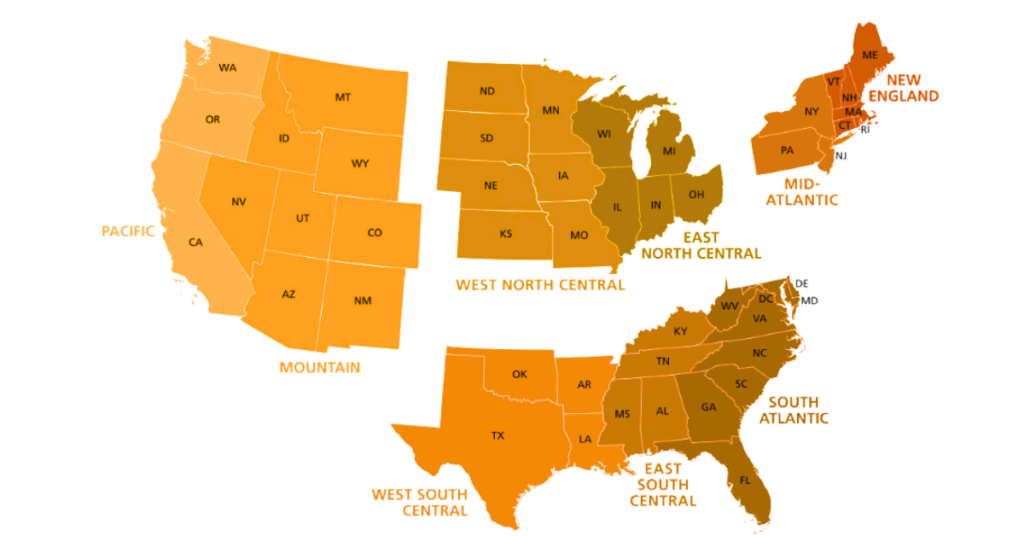
Some states saw a much higher percentage of movers from 2020-2023 than others, largely driven by affordability, climate, and lifestyle appeal. States like Idaho, Nevada, and Florida experienced significant population movement.
Idaho: 43% of Residents Moved
Idaho has been one of the top states for inbound moves. Known for its natural beauty and relatively low cost of living, Idaho attracted many remote workers and retirees. This trend has driven up housing demand in cities like Boise.
Nevada: 44% of Residents Moved
Nevada, particularly Las Vegas, has seen a surge in people moving for both affordability and lifestyle reasons. The state’s lack of income tax and booming entertainment industry make it a popular destination for those looking to escape high-tax states like California.
Florida: 40% of Residents Moved
Florida continues to be a top destination for retirees, snowbirds, and those seeking a warm climate. The state’s lack of income tax and relatively low cost of living make it attractive for new residents.
States with Lower Moving Rates
While some states saw a large influx of new residents, others experienced lower moving rates. High-cost areas, in particular, saw more people moving out than moving in.
New York: 26% of Residents Moved
New York, especially New York City, saw many residents leave due to the high cost of living and the shift to remote work. However, the state remains a key hub for finance, tech, and culture, with some of the out-migration being offset by new residents moving in from surrounding areas.
California: 28% of Residents Moved
California’s high cost of living, increased remote work opportunities, and wildfire threats drove a large exodus from the state. Many former Californians have relocated to states like Texas, Nevada, and Arizona in search of more affordable housing and lower taxes.
Pennsylvania: 27% of Residents Moved
Pennsylvania saw relatively low movement, as its population is largely stable, with a mix of urban centers and rural areas. It remains less impacted by dramatic outbound migration compared to coastal or high-cost states.
Mid-Tier Moving Rates: Balanced Inflow and Outflow
States like Texas, Georgia, and North Carolina experienced balanced moving rates, with many people moving both in and out of these states due to a mix of job opportunities, lifestyle, and affordability.
Texas: 37% of Residents Moved
Texas has long been a destination for both domestic and international movers due to its strong job market, no state income tax, and affordable housing. Cities like Austin, Dallas, and Houston continue to attract tech workers, entrepreneurs, and families.
Georgia: 36% of Residents Moved
Georgia, particularly Atlanta, has seen balanced migration. People move to the state for job opportunities and its growing tech scene, while some residents leave in search of a slower pace of life or cheaper living costs.
North Carolina: 36% of Residents Moved
North Carolina’s appeal lies in its diverse geography, ranging from mountains to beaches, and its strong job market. Cities like Raleigh and Charlotte have become hubs for tech and finance, attracting many young professionals.
What These Moving Trends Mean for the Future
The trends from 2020-2023 demonstrate that Americans are more mobile than ever before. The flexibility of remote work, combined with the desire for better living conditions and lower costs, has caused significant shifts in where people live.
How States Are Adapting
- Growing states like Idaho and Florida are investing in infrastructure and housing to meet the needs of their growing populations.
- Outbound states like New York and California are reassessing their tax policies and housing affordability to stem the tide of out-migration.
Moving Forward
As remote work continues to play a major role in relocation decisions, states with favorable economic conditions, strong internet connectivity, and appealing lifestyles will likely continue to see inbound migration. The long-term effects of these moves will shape local economies, housing markets, and even political landscapes.
From 2020 to 2024, moving trends have been dominated by affordability, lifestyle preferences, and remote work opportunities. States like Idaho, Nevada, and Florida saw large percentages of their population move in, while high-cost states like New York and California saw higher out-migration. Understanding these trends is crucial for moving companies, real estate professionals, and policymakers.
Whether you're planning to relocate for work, retirement, or lifestyle reasons, staying informed about these moving trends will help you make the best decision for your future. You can do so by following Movers Near Me on Linkedin.